RIM 30: a new milestone in marine electric propulsion
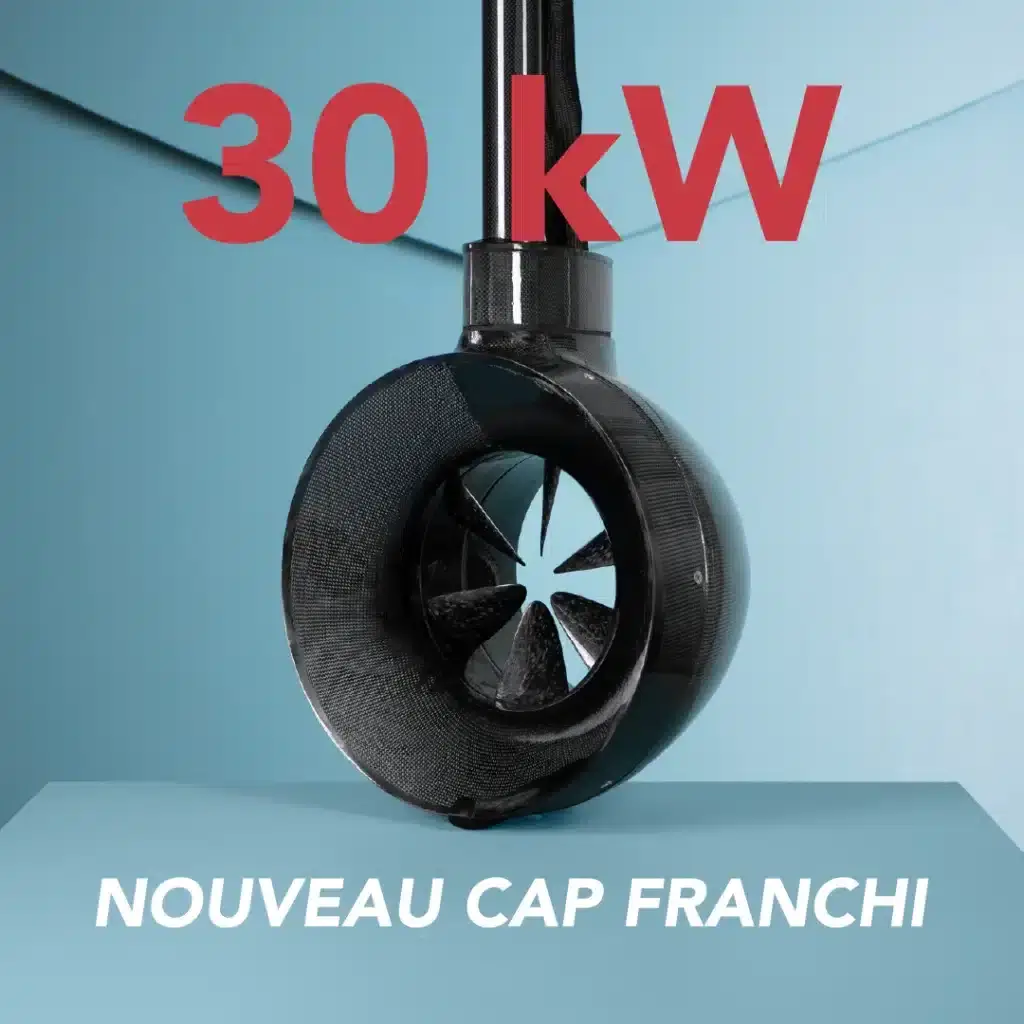





On November 19, at the port of Vannes, Hy.G Motors took a decisive step forward for the future of marine electric propulsion. Our new propulsion system, the RIM30kW-48V, achieved a record power output of 30 kW during testing.
This performance demonstrates our ability to combine high power and low voltage (48 V), offering a solution that combines industrial performance and absolute safety for marine professionals.
The flagship of a strategic range
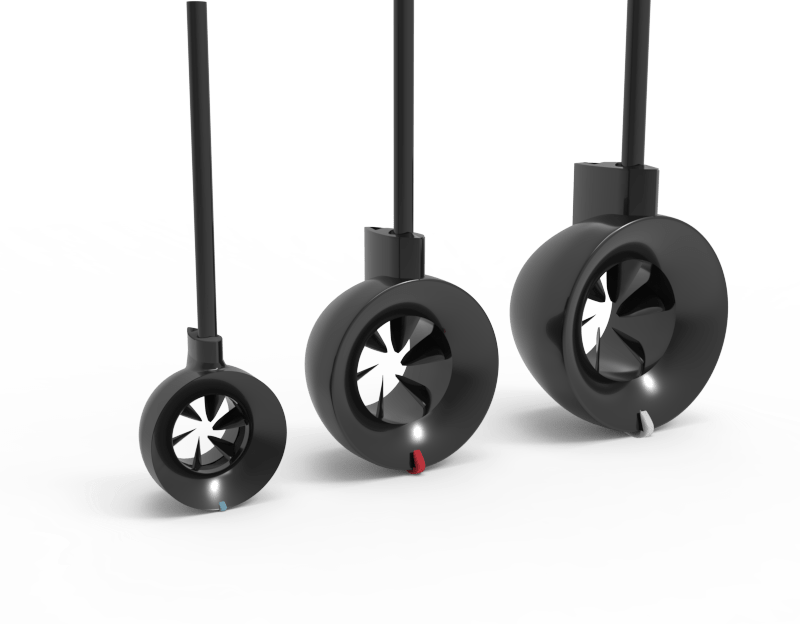
With the technical validation of the RIM 30, we are finalizing our first range of marine electric motors (6, 14, and 30 kW).
This model is specifically sized for the propulsion of heavy-load vessels, capable of moving units weighing up to 18 tons with a single propeller.
The major advantage of this engine lies in its unprecedented power-to-volume ratio.
The RIM 30 delivers twice the power of the RIM 14 model while retaining the exact same compact footprint.
This power density has been achieved while preserving the core features of RIM technology:
- Robust design with no joints, oil, or grease (zero maintenance).
- Ahubless ring architecture that prevents algae and debris from blocking the propeller.
This innovation supports our vision of sensible navigation: favoring moderate speeds.
Why this choice?
To avoid excessive energy consumption that would make electric propulsion impossible. For example, propelling a 20-ton ship at high speed (12 knots) would require 240 kW of power.
This would require a battery bank thatis eight times heavier, larger, and, above all, far too expensive.
By targeting the optimal range of use, the RIM 30 offers a rational alternative: enabling fleet electrification without excessive weight or unaffordable costs.
But to guarantee this performance in such a compact format, we had to overcome a major electrical challenge: that of very high intensity.
New Milestone: 30 kW of power at low voltage (48V)
The real technological breakthrough lies in the challenge that our teams have successfully met: delivering 30 kW at a voltage of 48 volts.
The choice of 48V (low voltage) is strategic for crew safety. Considered a safe voltage, it poses no electrical hazard, making the motor easy to handle without complex high-voltage certification. This is a decisive advantage for maintenance in a professional environment.
However, achieving this power without increasing the voltage required exceptional electrical flow management: we managed to control over 600 amps on the battery side and 1,000 amps on the motor side.
It is this expertise that today positions Hy.G Motors as a technological leader.
As Rémi CHAMPEAUX points out:
"Exceeding 30 kW of power consumption in low voltage places Hy.G Motors among the few players capable of this feat. We are the only ones to achieve this performance in RIM technology."
Designer and manager at Hy.G Motors.
With this unique technological validation on the market, the RIM 30 is now moving from the prototype stage to its operational phase.
Next steps: thrust tests and industrialization
This success marks the culmination of the R&D project supported by the ADEME's i-Nov competition, a label of excellence that has enabled the financing of this French innovation.
Now that the prototype has fulfilled its mission, we are entering the finishing and integration phase.
The tests also revealed impressive raw power: the thrust generated by the RIM 30 exceeded the capabilities of our current measuring instruments.
Our test benches are currently being reinforced to certify an expected static thrust of over 300 kgf.
The RIM 30 is not only a technical achievement, it is proof that powerful, sustainable, and secure professional navigation is now a reality, soon to be ready to set sail.